
Vivi l’emozione delle scommesse online con Betwarts irresistibili
Auto-generated post_excerpt
Beyond the Finish Line: Multiply Your Winnings with Every Step – and Cash Out Smart on Chicken Road. Understanding the Mechanics of the Chicken Road Game Strategic Approaches to Maximizing Winnings The Psychological Factors at Play Risk Management and Responsible Gaming The Future of “Chicken Road” Style Games Comparing Chicken Road to Similar Game Mechanics Beyond the Finish Line: Multiply Your Winnings with Every Step – and Cash Out Smart on Chicken Road. The world of online gaming is constantly evolving, offering players innovative and engaging experiences. One such captivating game concept involves a simple yet thrilling premise: guiding a chicken along a perilous path filled with increasing rewards – often referred to as the ‘chicken road‘. This game cleverly blends risk and reward, demanding strategic decision-making as players navigate potential pitfalls in pursuit of ever-larger payouts. It’s a testament to how classic game mechanics can be reimagined for the digital age. This concept, while seemingly straightforward, taps into core psychological principles. The escalating stakes create a sense of excitement and anticipation, while the possibility of losing your accumulated winnings adds a thrilling edge. It’s a test of nerve, encouraging players to assess their risk tolerance and determine when to cash out before their luck runs out. The game is easily accessible and provides instant gratification, explaining its escalating popularity. Understanding the Mechanics of the Chicken Road Game At its heart, the ‘chicken road’ game is a probability-based challenge. Players begin with a small wager and guide their virtual chicken along a track. Each step forward increases the potential multiplier, significantly boosting the possible payout. However, each step also carries the risk of encountering a trap that ends the game, forfeiting all accumulated winnings. The further along the road a player progresses, the greater the potential reward, but also the higher the risk of losing everything. This seemingly simple structure creates a surprisingly compelling gameplay loop. The game’s appeal lies in the balance between excitement and anxiety. Players are constantly evaluating the odds, weighing the potential gains against the possibility of failure. This mental calculation is a key element of the game’s addictive nature. It’s about calculating when to step away and secure accumulated profits. Step NumberMultiplierRisk Level 1 1.5x Low 5 3x Moderate 10 5x High 15 10x Very High 20+ 20x+ Extreme Strategic Approaches to Maximizing Winnings Successfully navigating the ‘chicken road’ game requires a thoughtful strategy. Blindly pressing onward, hoping for the best, is rarely a viable approach. A common tactic is to incrementally cash out winnings at predetermined milestones, safeguarding a portion of the profits while continuing to pursue larger multipliers. This method minimizes risk while still offering the chance for substantial gains. Players can also set a maximum step limit, automatically cashing out if the chicken reaches that point, preventing excessive risk-taking. Another important aspect of strategy is understanding the inherent randomness of the game. There’s no way to predict when a trap will appear; it’s purely a matter of chance. Therefore, players should avoid falling into the trap of chasing losses, doubling down in an attempt to recoup previous setbacks. Disciplined bankroll management—setting aside a specific amount of funds for the game and sticking to it—is essential for long-term success in the ‘chicken road’ game. The Psychological Factors at Play The appeal of games like ‘chicken road’ extends beyond the purely mathematical. Psychological principles play a significant role in shaping player behavior. The game taps into the human tendency to seek rewards and avoid losses, known as prospect theory. The potential for a large payout creates a strong sense of motivation, while the fear of losing accumulated winnings triggers anxiety and risk aversion. This interplay of emotions can lead players to make irrational decisions, sometimes continuing longer than they should, hoping for just one more step. Furthermore, the game’s cascading rewards – the multiplying multipliers – can create a ‘sunk cost fallacy,’ where players are reluctant to cash out because they’ve already invested significant effort (and potential winnings). They feel compelled to continue, believing that they’ve come too far to quit now. This can lead to a dangerous spiral, ultimately resulting in the loss of all their funds. Understanding this psychological bias is critical when playing this type of game. Risk Management and Responsible Gaming While the ‘chicken road’ game can be entertaining and potentially lucrative, it’s crucial to approach it with a strong emphasis on responsible gaming. Setting clear limits – both in terms of time and money – is paramount. Never gamble with funds that you cannot afford to lose, and avoid chasing losses in an attempt to recover previous setbacks. Treat the game as a form of entertainment, not as a reliable source of income. Regularly assessing your risk tolerance is also important. If you find yourself becoming overly invested in the game, or experiencing feelings of anxiety or frustration, it’s time to take a break. Remember that the ‘chicken road’ game is designed to be unpredictable, and losses are an inherent part of the experience. Maintaining a healthy perspective and practicing responsible gaming habits will ensure that you enjoy the game without falling victim to its potentially addictive qualities. Set a budget before you begin. Establish a win limit and cash out when you reach it. Take frequent breaks. Accept that losses are part of the game. The Future of “Chicken Road” Style Games The success of the ‘chicken road’ concept demonstrates a growing demand for simple yet compelling gaming experiences. We can anticipate seeing further iterations and variations of this theme emerging in the online gaming landscape. Future games may incorporate additional layers of strategy, such as the ability to use power-ups or avoid specific traps, adding complexity to the core gameplay loop. The integration of social elements, allowing players to compete against each other or collaborate on challenges, is also a possibility. Developers are likely to experiment with different visual themes and narrative elements, creating more immersive and engaging experiences. However, the fundamental principle of risk management
Building a home is exciting. It feels like a dream coming true. But behind the beautiful rooms, paint, and furniture, there is an important base. That base is the electrics and the plumbing of the building. These are the systems that make a home truly work. Without power and water, a house is just walls. The real success of a safe home starts with planning what goes inside the walls and under the floors. When electrics and plumbing are planned together, everything works better. It is safer. It lasts longer. It costs less to fix later. When they are not planned well, problems show up again and again. Repairs become expensive. Daily life becomes difficult. The main focus of this blog is electrics and plumbing integration. This means bringing both systems together in smart planning. At Statim Build, we believe in doing things right the first time. We believe in clear design, simple planning, and safe building for every client. What Does Electrics and Plumbing Integration Mean? Electrics and plumbing are the two most important systems in your home. Electrics bring power to lights, sockets, appliances, and heating systems. Plumbing brings water for drinking, washing, bathing, and removes waste water from the house. Electrics and plumbing integration means both systems are planned together at the start of the project. They are not treated as two separate jobs. Instead, they are designed as one complete system. When this happens, pipes and wires do not fight for space. They do not cross in unsafe ways. They do not cause danger to each other. This integration makes the layout clearer. It helps electricians and plumbers understand each other’s work. It also prevents damage, leaks, and electrical faults later. When electrics and plumbing are planned as one team, the whole building works smoothly from day one. Why Getting It Right the First Time Is So Important Doing things right the first time is always easier. When electrics and plumbing are designed badly, mistakes hide inside walls. Later, when you discover the problem, fixing it becomes much harder. Walls are broken. Tiles are removed. Floors are lifted. This costs time, money, and peace of mind. Safety is another big reason. Electricity and water must always stay in safe positions. If pipes leak near electric wires, shocks and fires can happen. If wires are placed too near water lines, danger increases for everyone in the house. Good planning prevents these risks. It protects families, children, and property. Comfort in daily life is also affected. Good planning means strong water pressure, stable hot water, working lights, and reliable sockets. Poor planning causes cold showers, tripping power, and slow drainage. You notice these problems every day. That is why the first design stage is the most important stage. Where Electrics and Plumbing Meet in the Home There are many places in a house where electrics and plumbing are very close. These areas need extra care and smarter planning. In the kitchen, you have sinks, dishwashers, fridges, ovens, and kettles. Water and power work side by side. If they are not planned well, leaks and electrical faults can happen. With proper integration, power outlets are placed safely. Pipes run in proper routes. Appliances fit perfectly without stress or crowding. In the bathroom, water is everywhere. You have showers, bathtubs, toilets, heaters, lights, and fans. Here, safety rules are even stronger. Electricity must be placed carefully. Switches and sockets must be set at correct distances from water. Good planning in bathrooms prevents shocks, mould, dampness, and damage. Utility rooms are another key area. Washing machines, dryers, and boilers need both power and water. When systems clash, leaks or breakdowns happen. With proper integration, machines have enough space, ventilation, and safe connections. How Good Integration Is Done Good integration starts with planning. Before any brick is laid or wall is closed, the design of electrics and plumbing is drawn. Positions of taps, showers, toilets, switches, lights, and sockets are agreed early. This allows pipes and wires to be placed clearly without confusion later. Working with skilled professionals is also vital. Untrained workers guess and create risk. Qualified electricians and plumbers understand rules and safety laws. They know where systems should run. They can see possible dangers before they become real problems. Statim Build works only with trained professionals, because safety and quality come first. Choosing strong, tested materials is another key point. Cheap pipes burst. Poor wires overheat. Good-quality materials last longer and prevent leaks and faults. They protect your home for many years. Thinking about the future is also wise. A good plan leaves space for new appliances or new sockets later. Maybe you will add a dishwasher, bigger shower, or electric car charger someday. When systems are planned with future use in mind, you save money later and avoid big changes. Common Mistakes in Electrics and Plumbing One common mistake is placing pipes and wires too close. Water and electricity must not mix. If a leak happens near electric cables, the risk of shock and fire is high. Another mistake is not planning enough sockets. Later, people rely on extension leads everywhere. This is unsafe and messy. Many people also forget ventilation in bathrooms and kitchens. Without airflow, steam stays. Walls become damp. Mould grows. Smells stay in the house. With proper integration, electric fans and vents are placed correctly to remove moisture. Sometimes builders forget to include easy shut-off points. Every home needs simple ways to turn off water and power in emergencies. Clear stop valves and labelled circuit breakers make your home safer and easier to manage. The Role of Statim Build Statim Build believes that strong homes start with strong planning. We focus on integration from the very first drawing. We design electrics and plumbing together as one connected system. Our teams communicate with each other. This avoids clashes and confusion on site. We respect safety rules and building standards at every stage. We think about how the home will be used, not just how
Construction is not easy. It takes time, skill, and planning. Many people think construction is simple, but it is not. One small mistake can turn into a big problem. These problems can cost money. They can also cause stress and delays. Statim Build understands how important it is to do construction the right way. This blog explains the most common construction mistakes. It also explains how professional contractors help avoid them. About Statim Build Statim Build is a professional construction company. The company focuses on quality work and strong results. Every project is planned carefully. Every step is handled with care. Statim Build believes that good construction starts with good planning. The team understands materials, safety, and structure. They work to avoid problems before they appear. This helps clients save time and money. Professional contractors do more than build. They guide the whole process. This makes construction safer and smoother. Why Construction Mistakes Are So Common Construction mistakes happen more often than people think. One main reason is lack of experience. Many people try to manage construction without proper knowledge. This leads to errors. Another reason is poor planning. When there is no clear plan, tasks are missed. Materials are wasted. Time is lost. Rushing work also causes mistakes. When people hurry, they skip important steps. Professional contractors understand these risks. They know how to avoid them. Mistake One: Poor Planning at the Start Poor planning is one of the biggest construction mistakes. When there is no clear plan, work becomes confusing. Workers may not know what to do next. Materials may arrive late or too early. Poor planning also causes budget problems. Costs increase without warning. Timelines are missed. Stress grows. Professional contractors create detailed plans before work begins. They set clear steps. They manage schedules. This keeps the project organized from start to finish. Mistake Two: Weak or Incorrect Foundations The foundation is the base of a building. If the foundation is weak, the building is not safe. Cracks can appear. Floors can sink. Walls can shift. This mistake often happens when soil is not tested properly. It also happens when wrong materials are used. Professional contractors check soil conditions first. They use correct materials. They follow safety standards. This creates a strong foundation that lasts for years. Mistake Three: Using Low-Quality Materials Some people choose cheap materials to save money. This often causes problems later. Low-quality materials wear out fast. They crack, bend, or break. These materials may not meet safety rules. Repairs become frequent and costly. Professional contractors choose quality materials. They understand which materials last longer. They follow building codes. This results in stronger and safer construction. Mistake Four: Ignoring Building Rules and Codes Building rules exist for a reason. They protect safety and structure. Ignoring these rules is a serious mistake. Some people skip permits. Others ignore inspections. This can lead to legal trouble and fines. In some cases, buildings must be rebuilt. Professional contractors know local building codes. They handle permits and inspections properly. This keeps projects legal and safe. Mistake Five: Wrong Measurements Incorrect measurements cause many construction problems. Doors may not fit. Windows may be uneven. Walls may not align. These mistakes waste materials and time. Fixing them costs more money. Professional contractors double-check measurements. They use proper tools. Accuracy is always a priority. This leads to clean and correct results Mistake Six: Rushing the Construction Work. Many people want fast results. They push workers to hurry. This causes mistakes. Rushing leads to skipped steps. Details are ignored. Quality drops. Professional contractors understand the right pace. They balance speed and quality. They make sure each step is completed properly. This avoids future repairs. Mistake Seven: Poor Communication Communication problems cause confusion. Instructions may be unclear. Changes may not be shared. This leads to mistakes. Clients may feel unsure about progress. Workers may feel lost. Professional contractors keep communication clear. They update clients regularly. They explain changes and progress. This builds trust and clarity. Mistake Eight: Hiring Unskilled Workers Construction needs skilled hands. Untrained workers make more errors. Finishing looks poor. Safety risks increase.Poor workmanship leads to constant repairs. Professional contractors hire trained teams. Workers know their roles. They follow best practices. This improves quality and safety. Mistake Nine: Ignoring Safety on Site Safety is sometimes ignored to save time. This is dangerous. Accidents can happen. Work can stop.Missing safety gear is common on poorly managed sites. Professional contractors follow safety rules strictly. They provide safety equipment. They train workers properly. This protects everyone on site. Mistake Ten: Poor Budget Control Many projects go over budget. This happens due to poor planning and mistakes. Unexpected costs appear. Materials are wasted. Professional contractors create clear budgets. They track spending carefully. They avoid unnecessary costs. This helps keep projects within budget. How Professional Contractors Prevent Construction Mistakes Professional contractors bring experience and knowledge. They have seen many projects. They know what can go wrong. They plan carefully. They manage teams properly. They follow safety and building rules. This reduces risks and errors.Their goal is to deliver quality results. Why Experience Matters in Construction Experience teaches valuable lessons. Professional contractors learn from past work. They understand challenges and solutions. This experience helps avoid repeating mistakes. It leads to smoother projects and better outcomes. Why DIY Construction Often Fails DIY projects may look easy online. In reality, construction is complex. Tools may be missing. Skills may be limited. Small mistakes grow into big problems. Repairs cost more than hiring professionals. Professional contractors handle complexity with confidence. They know how to solve issues quickly. How Statim Build Supports Clients Statim Build supports clients at every step. The team plans carefully. They use skilled workers. They communicate clearly. Clients know what to expect. Timelines are respected. Budgets are managed properly. This creates trust and satisfaction. Long-Term Benefits of Professional Construction Professional construction lasts longer. Structures remain strong. Safety is improved. Maintenance costs are lower. Property value increases.This makes professional help a smart choice. Common Myths About
Construction projects often feel overwhelming. Many people feel unsure before they start. There are many steps involved. There are many decisions to make. There are also many people working on the same project. When these parts do not work together well, problems appear. Delays happen easily. Costs increase quickly. Stress becomes constant. This is why choosing the right construction approach matters so much. This is where Statim Build plays an important role. The company focuses on simplicity, efficiency, and clear planning. The aim is to make construction easy to understand and easy to manage.This blog explains how a full turnkey construction service helps improve efficiency. Understanding the Meaning of a Full Turnkey Construction Service A full turnkey construction service means one company handles everything. The project starts with an idea. It ends with a completed building that is ready to use. The client does not need to hire separate designers, builders, or suppliers. The client does not need to manage timelines or daily work. One team takes care of all responsibilities. Statim Build manages the project from start to finish. When the work is complete, the client receives a finished space. Nothing extra is needed. This is why it is called turnkey. The client can simply turn the key and enter. Why Efficiency Is So Important in Construction Efficiency means doing work in the best way possible. It means saving time. It means using resources wisely. It means avoiding mistakes. In construction, poor efficiency causes many problems. Projects take longer than planned. Budgets go over limits. Quality may suffer. Statim Build understands that efficiency is not optional. It is essential. Every stage of the project is planned with efficiency in mind. This helps keep everything under control. Common Problems in Traditional Construction Projects Traditional construction projects often involve many separate teams. One team handles design. Another handles building. Others handle electrical or plumbing work. Each team works independently. Communication becomes slow. Mistakes are not noticed early. Delays become common. When problems occur, responsibility is unclear. One team may blame another. This wastes time and energy. A full turnkey construction service removes these problems by creating one clear structure. How Statim Build Creates a Smooth Construction Process Statim Build uses a structured approach. Everything begins with careful planning. Client goals are discussed clearly. Expectations are set early. Once the plan is ready, work begins in a controlled way. Each stage follows the previous one smoothly. There is no confusion about roles or responsibilities. This clear structure allows work to move forward without unnecessary delays. One Point of Contact Makes Projects Easier Managing many contractors can be exhausting. Clients often feel overwhelmed by phone calls and emails. With a full turnkey construction service, clients deal with one team only. Communication becomes simple. Questions are answered quickly. Statim Build acts as the single point of contact. This reduces stress and saves time. Early Planning Prevents Costly Mistakes Many construction problems come from poor planning. Changes made late in the project cost more and take longer. Statim Build focuses heavily on early planning. Designs are reviewed carefully. Materials are selected wisely. Timelines are realistic. This early effort prevents costly changes later. It improves efficiency across the entire project. Integrated Design and Construction Improves Speed When design and construction teams work separately, delays happen. Decisions take longer. Mistakes are discovered too late. A full turnkey construction service integrates design and construction. Teams work together from the beginning. Statim Build ensures designers and builders communicate closely. This alignment speeds up progress and improves results. Cost Control Becomes Clear and Predictable Unexpected costs cause frustration. Many clients worry about budgets increasing without warning. With a full turnkey construction service, costs are planned clearly from the start. Budgets are agreed early. Spending is monitored closely. Statim Build keeps costs transparent. Clients always know where they stand. Clear Communication Improves Efficiency Poor communication causes confusion. Instructions may be misunderstood. Work may need to be redone. Statim Build values clear communication. Updates are shared regularly. Progress is explained simply. Clear communication keeps everyone aligned and improves efficiency. Quality and Efficiency Work Together Some people think efficiency means rushing. This is not true. True efficiency includes quality. Good work reduces future repairs. It saves time later. Statim Build checks quality at every stage. Materials are inspected. Work is reviewed carefully. Fixing issues early improves long-term efficiency. Reducing Client Stress During Construction Construction can be emotionally draining. Constant decisions can feel overwhelming. A full turnkey construction service removes much of this burden. Clients are not involved in daily management. Statim Build handles the complexity. Clients enjoy peace of mind. Faster Project Completion Without Chaos Delays are common in poorly managed projects. Work stops. Teams wait for each other. Statim Build coordinates work carefully. Tasks are scheduled logically. Delays are minimized. This approach helps projects finish faster without chaos. Better Risk Management Every construction project has risks. Weather changes. Supply delays. Technical issues. Statim Build plans for risks early. Backup solutions are prepared. This proactive approach keeps projects moving even when challenges appear. Flexibility When Changes Are Needed Sometimes changes are necessary. Client needs may change. New ideas may appear. A full turnkey construction service allows controlled changes. Adjustments are reviewed carefully. Statim Build manages changes without disrupting the entire project. Consistent Standards Across the Project Different contractors often work at different quality levels. This creates uneven results. With a full turnkey construction service, standards remain consistent. One team follows one set of rules. Statim Build maintains quality consistency from start to finish. Residential Projects Become Less Stressful Building or renovating a home can feel very personal. Mistakes feel costly. A full turnkey construction service simplifies residential projects. Clients do not need to manage details. Statim Build delivers homes that are ready to live in. Commercial Projects Benefit from Efficiency Commercial construction requires strict timelines. Delays affect business operations. Statim Build understands these pressures. Planning is precise. Execution is efficient. A full turnkey construction service supports business success. Transparency Builds Long-Term Trust
At Statim Build, we believe that the first step in any construction project is to create a solid plan. Whether you’re building a new house, office, or doing a renovation, the process starts with planning and drawing. These steps are very important in turning your ideas into something that can actually be built. In this blog, we will explain why planning and drawings are important, and how they help transform your ideas into designs that are ready for building. What Are Planning and Drawings? Planning and drawings are the first steps in any construction project. Planning is when you decide what you want to build and how it will be done. Drawings are detailed plans that show exactly what your project will look like and how it will be built. These two things are important because they help everyone working on the project understand what needs to be done. Without proper planning and drawings, a project can face problems like delays, mistakes, and extra costs. Having a good plan and accurate drawings will help the project go smoothly. Why Are Planning and Drawings Important? Planning and drawings are crucial because they act as a guide throughout the entire project. They show the design, the materials needed, and the method of building. These documents make sure everyone involved in the project is on the same page. With proper planning and drawings, a project is more likely to finish on time and within budget. Planning Process The planning phase is the first step in any construction project. It means taking your ideas and creating a clear plan. Here’s how the planning process works: 1. Understand Your Needs The first step in planning is to understand what you want. Do you want to build a house, a business space, or maybe do a renovation? What are the most important things you need in the space? What’s your budget? These are all important questions to ask before moving forward with the planning. Why This Is Important: Helps define the project’s size and scope. Ensures the design meets your needs. Sets a clear budget from the beginning. 2. Set a Budget The next step is deciding how much you are willing to spend. The budget will help guide the project by showing what is possible within your financial limits. It’s also important to plan for extra costs that might come up. Why This Is Important: Keeps the project within your financial limits. Prevents unexpected expenses from causing delays. Helps make decisions about materials and design. 3. Choose the Location and Design Style For many projects, location matters a lot. If you are building a home, you need to think about the space, views, access, and local rules. You also need to pick a design that fits your taste and budget. Why This Is Important: The location and design will affect the value of the project. The style should reflect your preferences and lifestyle. Local regulations need to be followed before construction starts. 4. Permits and Regulations Before you start building, you must check the local rules and get the right permits. Permits are necessary to make sure the project is safe and follows the law. You’ll need approval from local authorities before you begin. Why This Is Important: Keeps your project legal and follows all building codes. Prevents delays or fines from missing permits. Makes sure the building is safe for everyone. The Drawing Process: Turning Ideas into Visual Plans Once the planning is done, the next step is creating the drawings. Drawings are detailed visual plans that show what the final project will look like. These drawings are also known as blueprints. Let’s look at the process of creating these important drawings. 1. Initial Sketches and Concept Designs Before making the final drawings, designers usually create rough sketches or concept designs. These early drafts are used to explore ideas and give a sense of what the project might look like. You and the designer can change the design until it’s just right. Why This Is Important: Helps bring the vision to life before finalizing the design. Provides flexibility to make changes. Gives a better idea of how the design will work in reality. 2. Creating Detailed Plans Once the concept design is agreed upon, the next step is to create detailed drawings. These include floor plans, elevations, and site plans. The detailed drawings include exact measurements, the materials to be used, and how the structure will be built. Why This Is Important: Gives contractors, engineers, and everyone involved clear instructions on how to build. Shows exact sizes, materials, and methods for the construction. Provides a guide for building the project from start to finish. 3. Structural Drawings Structural drawings focus on the strength and stability of the building. They show how the foundation, beams, supports, and other parts of the building will be built to make sure it is safe and solid. Why This Is Important: Ensures the building is safe and sturdy. Prevents problems with the structure during or after the build. Required for permits and safety checks. 4. Electrical, Plumbing, and HVAC Drawings These drawings show how the electrical systems, plumbing, and HVAC (heating, ventilation, and air conditioning) will be set up. These are essential for ensuring everything works properly once the building is finished. Why This Is Important: Ensures that the electrical, plumbing, and HVAC systems work well together. Helps contractors install systems correctly. Provides a guide for future repairs or maintenance. Turning Your Drawings into Build-Ready Designs After you have your plans and drawings, it’s time to start building. This stage involves working closely with contractors, engineers, and builders. Let’s see how the designs become a reality. 1. Reviewing and Approving Plans Before construction starts, the plans and drawings need to be reviewed and approved. This ensures that everything complies with local regulations and building codes. If needed, you can make changes before construction begins. Why This Is Important: Makes sure everything meets local rules. Allows you to make
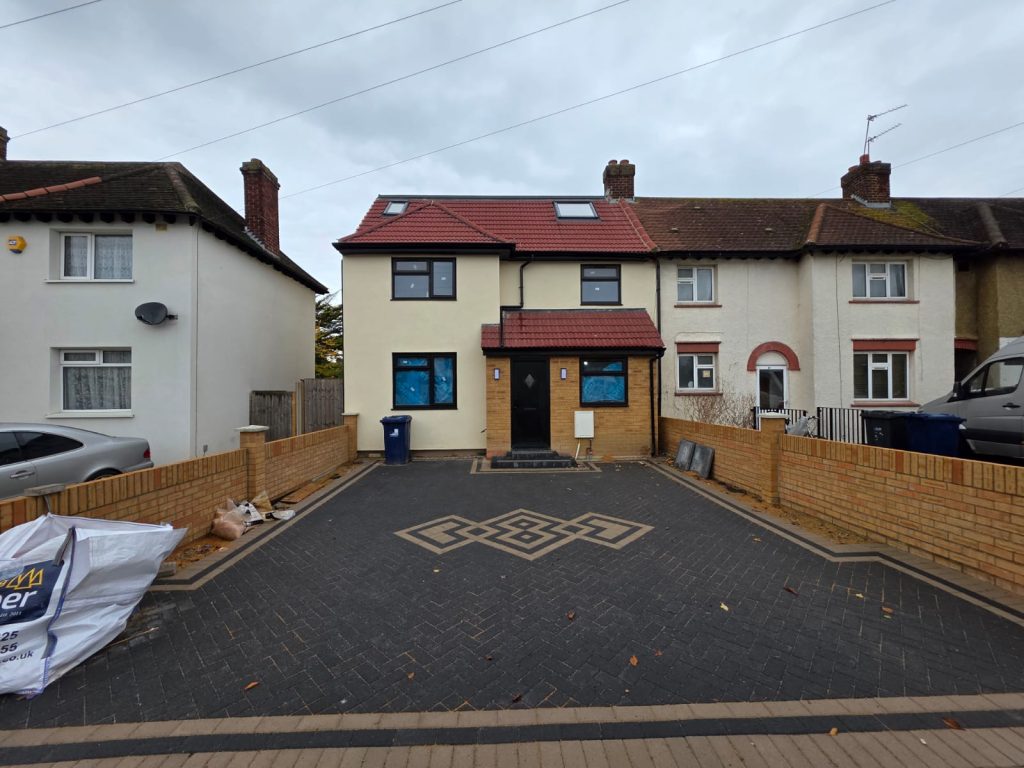
Building a structure takes many steps. One of the most important parts is called shell construction. This is the phase between laying the foundation and finishing the building. During this time, the basic framework of the building is built, which makes everything else possible. In this blog, we will explain what shell construction delivery is. We will also show you how the process works, why it’s important, and how Statim Build handles it. What is Shell Construction? Let’s start by understanding what shell construction means. Shell construction is the part of building where the main structure is created. This includes the walls, floors, and roof of the building. It is the skeleton of the building, the part that gives it strength and shape. Once the shell construction is finished, the building can be worked on inside and finished. So, shell construction is the first step where the building actually starts to take form. It’s the phase between making the foundation and completing the building. Why is Shell Construction So Important? The shell construction phase is very important because it gives the building its strength. It holds everything in place. Without a strong shell, the building won’t last. The walls, floors, and roof make sure the building can support everything inside it and keep it safe. The shell construction also sets the stage for the next steps. Once it is complete, workers can move on to add plumbing, electrical wiring, and other finishing touches. But the shell is the part that makes everything possible. Steps in Shell Construction Here are the main steps that happen in shell construction: 1. Laying the Foundation The first step is to lay the foundation. The foundation is the base of the building. It is very important because it keeps the building steady and strong. Foundations are usually made of concrete, steel, or a mix of both. Once the foundation is in place, it needs time to harden and set. This is crucial because it needs to support the weight of the entire building. At Statim Build, we make sure the foundation is done correctly, so it is strong and stable. 2. Building the Framework Once the foundation is set, the next step is to build the framework. The framework is the “skeleton” of the building. It is made from steel or wood beams and columns. These beams and columns hold the walls and roof in place. At this point, you will start to see the building take shape. The framework is what supports the weight of the entire structure. Statim Build uses high-quality materials and skilled workers to make sure the framework is strong and safe. 3. Building the Walls After the framework is up, the next step is building the walls. The walls can be made of many materials like concrete, brick, wood, or steel. The walls give the building shape and structure. They also provide support for the floors and roof. In some buildings, the walls also help carry weight. These are called load-bearing walls. In other buildings, the walls are used to divide the rooms. 4. Adding the Roof Once the walls are built, the next step is to add the roof. The roof is important because it keeps the inside of the building dry and safe from the weather. The type of roof used depends on the design of the building. Some roofs are flat, while others are sloped. No matter the type, the roof is an important part of shell construction. At Statim Build, we make sure the roof is built correctly to protect the building for many years. 5. Installing Windows and Doors After the roof is in place, windows and doors are added. These are important because they allow light and air to flow into the building. They also provide access to the building. During shell construction, the windows and doors may be temporary. This is just to keep the building secure while other work is done inside. Later, permanent windows and doors will be installed. 6. Finishing the Exterior The last step in shell construction is finishing the exterior. This includes things like painting, adding cladding, or putting on bricks or stone. The exterior finish helps protect the building from the weather and also makes it look good. Once the exterior is finished, the building will look mostly complete. But the inside work is still needed to finish the building. What Happens After Shell Construction? Once the shell construction is done, it’s time for the inside work. This is where plumbing, electrical wiring, insulation, and flooring are added. These are the finishing touches that make the building comfortable to live or work in. However, shell construction is the important first step. Without it, there would be no place to add the plumbing, wires, or anything else. The shell is the backbone of the entire building. How Statim Build Handles Shell Construction At Statim Build, we handle shell construction with great care. Our team of experts works hard to make sure everything is done right. Here’s how we do it: 1. Careful Planning Before we start, we plan everything carefully. We work with architects and engineers to make sure that every part of the shell construction is done correctly. This planning helps us avoid mistakes and delays later on. 2. Using the Best Materials We only use high-quality materials for every step of the construction. From the foundation to the roof, we make sure everything is strong and durable. At Statim Build, we believe in building structures that will last for many years. 3. Experienced Workers Our team consists of experienced workers who know how to build a strong and safe structure. We make sure that all workers follow safety rules and work together to get the job done on time. 4. Keeping the Schedule We understand how important it is to finish the project on time. We work hard to stay on schedule and make sure the project moves forward smoothly. Statim Build takes pride in